This is not an official website of Ranthambore Tiger Reserve. This is a registered private travel agency( GTI Travels Pvt. Ltd.) which organizes hotel, safari and tour package bookings in Ranthambore National Park.
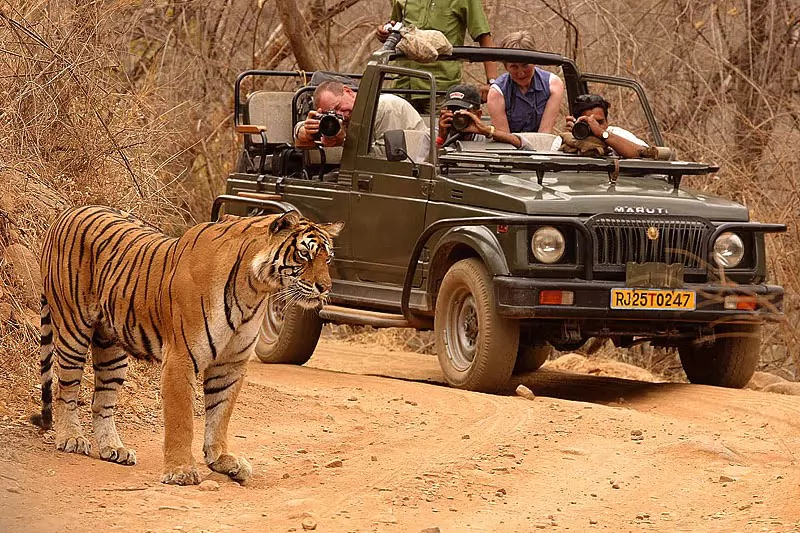
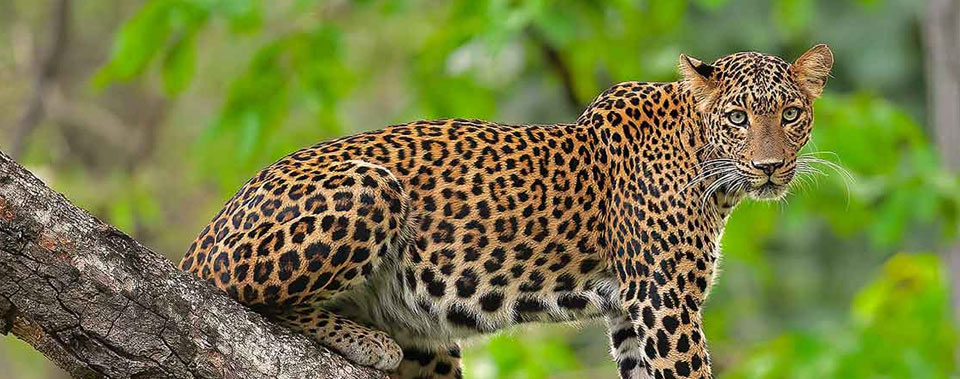
The wildlife landscape of Ranthambore is witnessing a positive shift as both tigers and leopards are being seen more frequently during jungle safaris. Tourists who come primarily for tiger sightings are now also encountering leopards, making their safari experience more exciting. Leopards are naturally secretive animals and usually avoid areas dominated by tigers. Because of this behaviour, spotting a leopard during a tiger safari is considered rare and special. In recent months, however, such sightings have become more common, suggesting that the leopard population in the region is growing steadily. Wildlife specialist Dharmendra Khandal explains that seeing a leopard during a tiger safari adds to the excitement for visitors. He notes that leopards can now be found across all safari zones. As per the 2024 wildlife census, Ranthambore recorded around 167 leopards, and their population is showing an upward trend. The increase in both tiger and leopard numbers is seen as a healthy sign for the forest ecosystem.
Among the various zones, Zones 1 and 6 are known to have the highest leopard presence. Yadavendra Singh, President of the Ranthambore Nature Guide Association, confirms that while leopards exist in every zone, these two areas record more frequent sightings. Apart from the core tourist zones, leopards are also widely distributed in buffer areas and non-tourism regions. Conservation efforts are being actively supported by forest officials, safari guides, and drivers, who remain alert to protect wildlife. Experts believe that stronger measures from the government are necessary to ensure long-term safety for the growing leopard population.
Ranthambore is widely counted among the Famous national parks in India because of its strong conservation record and rich biodiversity. According to Forest Department officials, leopard numbers remain high, but their distribution is influenced by the presence of tigers. Leopards usually avoid regions heavily occupied by tigers, as they cannot compete with them. Tigers defend their territories strictly and do not tolerate other strong predators within the same area. As a result, leopards are more commonly found in the outer zones and peripheral forests rather than in the core tiger regions.
Wildlife Tourists insisting for jeep or canter safari in Ranthanbore National Park have to book entry permit online only. Booking made online is only accepted for Jungle safari inside the park, which is situated in Sawai Madhopur district of Rajasthan. The forest department has stopped offline current booking on the spot at window in Ranthambore Tiger Reserve. You may follow below given guidelines to book online safari tickets:
Forest officials also point out that the movement of leopards toward the outskirts sometimes leads them closer to human settlements. This situation increases the chances of conflict between humans and wildlife in villages located near forest boundaries. To address this issue, a fresh survey is expected to be conducted soon to estimate the current leopard population more accurately. Despite these challenges, tourists continue to appreciate leopard sightings, which add variety to safari experiences.
Beyond Ranthambore, nearby areas such as Chauth Ka Barwara and Baunli also support healthy leopard populations. Conservationists suggest that if these regions are connected through a dedicated wildlife corridor, it could help in managing leopard movement more effectively. Such a corridor would also reduce pressure on forest boundaries and limit human-wildlife conflict.
There is also a proposal to introduce a separate leopard-focused safari route in these connected regions, similar to the model followed at Jhalana. This could provide an additional tourism option for visitors who opt for Ranthambore online safari booking. More importantly, it would strengthen conservation efforts by creating a safe and structured environment for leopards to thrive alongside other wildlife species.
Overall, the rising number of leopards alongside tigers highlights the success of conservation work in the region. With proper planning, monitoring, and habitat management, Ranthambore and its surrounding landscapes can continue to serve as a stronghold for both big cats, benefiting wildlife and tourism alike.
