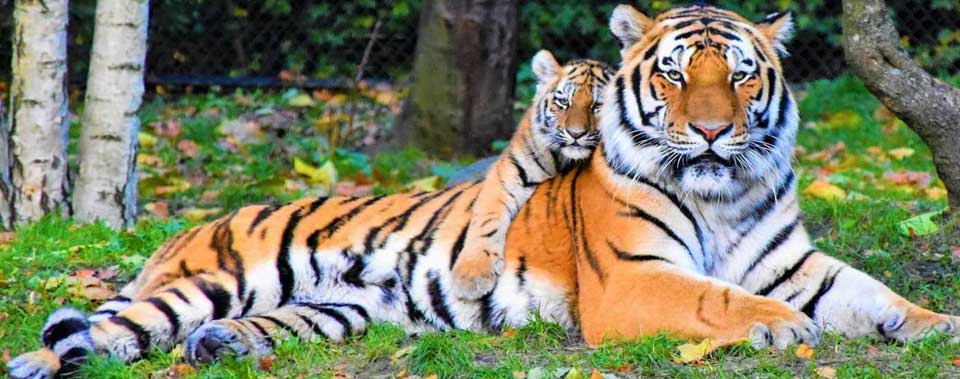
28 Cubs Enriched the Tiger Population in Rajasthan in Just Two Years
Ranthambore National Park, Rajasthan
News Update: 19-May-2018
Rajasthan has always been the flag-bearer in the field of the wildlife conservation, especially the conservation of the endangered Royal Bengal tigers since the Project Tiger program has been started in the country. With a serious implementation of the tiger conservation policies, the Rajasthan has achieved a remarkable success in increasing the population of the tigers in the state. In a recent study, it has been noticed that the count of tigers in the various tiger reserve forests in the state has been increased significantly. According to the officials of the wildlife department of the state, 28 tiger cubs have been born during the last two years in the various National Parks situated in the state due to which the tiger count has been increased tremendously in Rajasthan.
The most famous tiger reserve forest of India, the Ranthambore National Park, which is located in the Sawai Madhopur district of Rajasthan is the prime contributor to the tiger population growth in the state. According to the Chief Wildlife Warden of Rajasthan, Mr. G.V. Reddy, 25 tiger cubs have been born in the Ranthambore Tiger Reserve alone within the last two years, whereas 3 tiger cubs have been born in the Sariska National Park which is located in the Alwar district of Rajasthan. From 2016 to 2018 till date, the birth of 28 tiger cubs is an achievement for the state. The CWLW described it an achievement for the wildlife department of Rajasthan and a morale booster for the wildlife department to showing this tremendous achievement at the time when tiger mortality is high due to various reasons.
At present, the total tiger count in the state is around 85 among which 70 are in the Ranthambore National Park whereas 14 are in Sariska National Park and 1 in the Mukundara Hills National Park. The one tiger in the Mukundara Hills NP has been successfully relocated to this park recently. Mr. Y.K. Sahu, the field director of the Ranthambore NP has been given the credit of such an excellent growth result to the successful implementation of the wildlife conservation policies and laws like the rehabilitation of the people living in the villages located in the forest area, controlling the poaching activities, curbing illegal mining along with increasing the safety measures for the newly born cubs and also enhancing the prey base for the Tigers and other big cats.
The efforts to populate the other tiger reserves of the state such as Sariska and Mukundara Hills by relocating the tigers from the Ranthambore have been paid off well. Eight tigers had been relocated to the Sariska in 2008 and the one tiger has been relocated to the Mukundara Hills recently in 2018. In the Sariska National Park, seven cubs have been given birth by the three tigresses in between 2012 to 2017 and two cubs have been spotted recently. According to the CWLW of Rajasthan, Mr. Reddy, who is also a member of the Standing Committee of the State Board for Wildlife, several recommendations had been given to prevent the tiger poaching in Sariska in a meeting held in April this year. Some of the recommendations were the fitting GPS-enable radio collars on every tiger, 24-hour monitoring system, the relocation of villages located in and around the reserve's border, etc.