Get In Touch

Welcome to----

Ranthambore Tiger Reserve

ranthambore tiger reserve

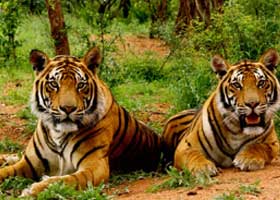
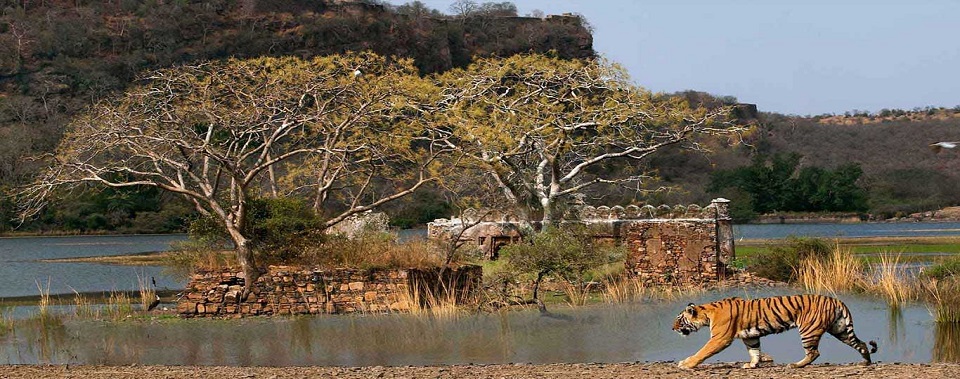
In the Sawai Madhopur district of Rajasthan, Ranthambore National Park is an iconic wildlife destination. It is one of the most famous national parks of India, popular for the population of Bengal tigers. The total area of Ranthambore National Park is 1411.28 sq. km., with 1113.36 sq. km of the core area. The national park is spread in the vicinity of the Aravali hills and the Vindhya plateau. Along with the Bengal tigers, Ranthambore is highly enriched with a wide variety of flora, fauna and avifauna species. Apart from the rich wildlife, Ranthambore National Park is one of those unique destinations that blends wildlife and nature with history. The easy accessibility to Ranthambore from Delhi (361 km) and Jaipur (175 km) also makes it a preferred destination among travel enthusiasts and explorers.

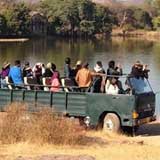
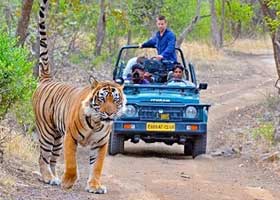
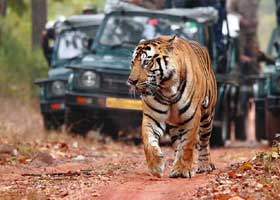
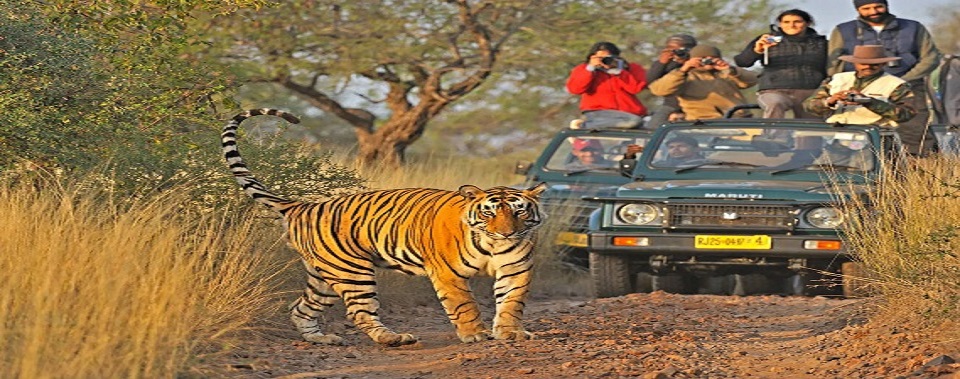
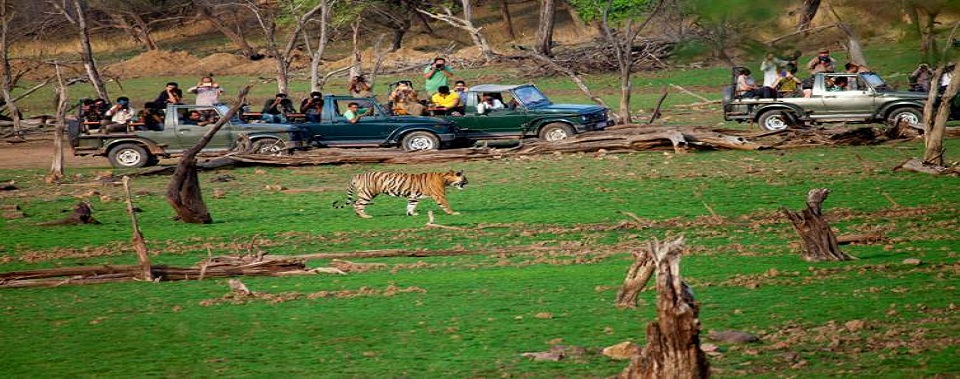
Over the years, Ranthambore National Park has gained greater prominence due to its exciting safari activities. The frequent tiger sightings during the jeep and canter safaris further entice tourists. Every year, Ranthambore National Park records footfalls of tourists both across India and other countries as well. The safari activities in Ranthambore takes palace in morning and evening shifts. The time slots of the safari vehicles are scheduled by the forest department officials, and they remain the same for all. The slots tend to vary slightly with seasonal changes. The Bengal tigers remain the primary attraction in Ranthambore. The sightings are quite frequent and that’s what enthrals the safari goers. Ranthambore is a great place for wildlife enthusiasts and adventure lovers. Photographers, too, will find a lot of jaw-dropping moments to capture inside the forest.

RANTHAMBORE NATIONAL PARK

We ensure the best services at every step of your wildlife vacation. Catering to the needs of the tourists is our foremost priority. Reach out to our travel assistants who are keenly guides the visitors throughout the Ranthambore safari tour, right from the Ranthambore online safari booking till the safari ends. Booking the Ranthambore safari through us ensures a hassle-free experience in the heart of the enchanting forest. Tourists are guided and provided with the best safari zones, subject to availability. Connect to our service providers.

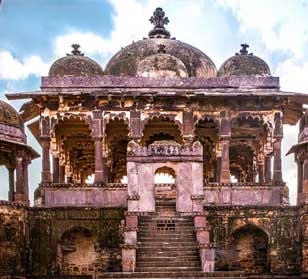
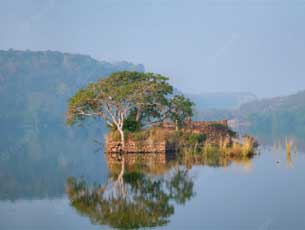
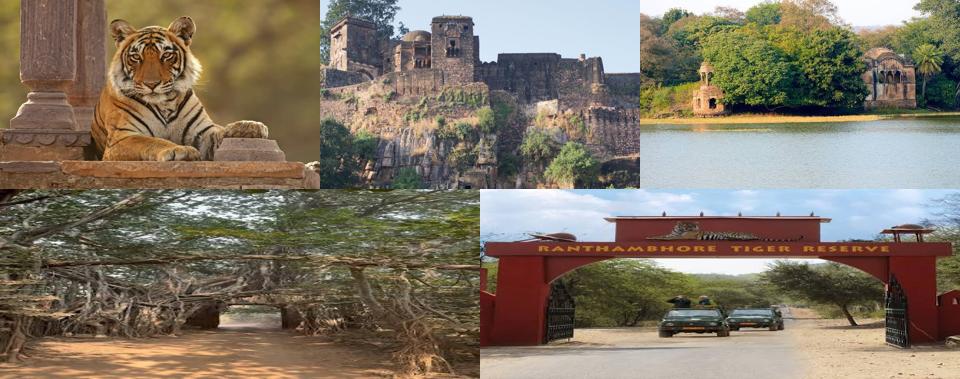
Ranthambore National Park is one of the ideal destinations for a tiger safari in India. The national park is home to several legendary tigers. Some of the popular tigers of Ranthambore are - Machli, Ustad, Sitara, Ustad, Ridhhi, Sidhhi, Arrowhead, and so on. Along with the magnificent tigers, Ranthambore National Park also boasts the presence of heritage sites. The most prominent is the Ranthambore Fort, a massive and royal structure that has been the reminder of the glory and grandeur of the Rulers of Ranthambore. In addition to the mighty Ranthambore Fort, Trinetra Ganesh Temple, Jogi Mahal and Rajbagh Ruins are the other heritage sites. Padam Talao, Malik Talao, and Raj Bagh Talao add to the picturesque landscape of the Ranthambore forest.

The national park is bordered by the Chambal and Banas rivers on two sides, which adds to the untouched and wilderness character of the Ranthambhore forest. Undoubtedly, a visit to this renowned national park in Rajasthan offers an ideal retreat for those who truly appreciate nature and wildlife. Observing magnificent tigers in their natural habitat, along with a remarkable variety of animal and bird species and the park’s lush surroundings, creates an unforgettable experience that leaves visitors deeply satisfied with their decision to explore this remarkable wildlife destination.

ranthambore history
ranthambore history
ranthambore history
ranthambore history
ranthambore history
ranthambore history
ranthambore history

Ranthambore Famous Tigers Story

Ranthambore National Park is known for its large population of Bengal tigers, which attracts thousands of visitors every year. Among the tigers that have made Ranthambore famous, there are a few that stand out. Here are some of their stories:

Machli : Machli, often called the Queen of Ranthambore, was one of the most renowned tigers of the reserve. Born in 1997, she lived until 2016, an exceptionally long lifespan for a wild tiger. She was admired for her strong hunting ability and gained fame for killing a large crocodile in one of the park’s lakes. Machli was also a devoted mother and successfully raised multiple litters of cubs.

Ustad : Ustad, identified as T-24, was another well-known tiger of Ranthambore National Park. He was recognised for his powerful build and dominant nature. However, his involvement in multiple attacks on humans raised serious concerns, and in 2015, authorities decided to shift him from the park to a zoo for public safety.

Sultan : Sultan, known by the identification number T-72, was among the biggest tigers in Ranthambore National Park. He was respected for his great size and physical strength and was frequently observed guarding his territory. In 2018, he became involved in a territorial clash with another tiger and suffered serious injuries. A few days later, he passed away as a result of those wounds.

Broken Tail: Broken Tail, identified as T-17, was a male tiger recognised for his injured and bent tail, which had been damaged in an earlier accident. He became a well-known sight in the park and was frequently seen resting on rocks or moving along the forest roads. In 2010, he went missing from the reserve and was later discovered dead in a nearby village.

These are just a few of the tigers that have made Ranthambore famous over the years. Each of them had its own unique personality and story, and they will always be remembered as symbols of the park's natural beauty and wildlife.

safari in ranthambore

Safari in Ranthamobore

Ranthambore National Park is among the most frequently visited tiger reserves in India. Its untouched natural beauty and powerful forest environment attract wildlife enthusiasts from across the country. Visitors can experience the true charm of the park through jungle safaris conducted by the forest department. The park is mainly governed by nature and is home to a wide variety of wildlife species. A safari is the only permitted way to enter the interior forest areas and offers the best chance to observe a tiger in its natural habitat. With scenic landscapes that include lakes, dense deciduous forests, water bodies, gentle hills, and the remains of historic structures, a visit to Ranthambore becomes a truly unforgettable experience.

How to Plan a Ranthambore Tour

A thorough step-by-step plan is necessary during a visit to Ranthambore National Park. Since Ranthambore is a popular wildlife destination, it is important to have your safari, accommodation and other transport bookings in advance.

Decide the best time to visit:

October to June is the most suitable time to visit Ranthambore National Park. Please note that zones 1-5, considered the core areas of Ranthambore, remain closed during the monsoon season. The buffer areas from Zones 6-10 continue with the safari activities in limited numbers in the monsoon, from July to September.

Book accommodations in Advance:

Hotels and resorts in destinations like Ranthambore National Park get booked quite quickly. Therefore, it is necessary to book the accommodation in advance. Right from the budget hoteksto luxury resorts, lodging options of all ranges are available near Ranthambore.

Choosing the right safari option:

Jeep and Canter safaris are available in Ranthambore National Park to explore the exotic wildlife. The difference between the two safari vehicles is their seating capacity and ticket rates. Choose the option that suits your budget and preference.

πŸš™

Get the entry permits:

You need to get a hard copy of the safari permits to enter the national park gate and go on a safari. You can book permits online or through our online safari booking portal.

Accompanying a nature guide:

Guides compulsorily accompany safari visitors both on jeeps and canters. They provide important and informative facts about the forest andthe wildlife of Ranthambore.

Pack essential items:

Pack light and carry essential items such as binoculars, sunscreen, a hat, insect repellent, comfortable shoes, and a camera. Mobile phones are strictly banned, so avoid using them during the safari.

πŸ•ŠοΈ

Geographical Details about Park

ranthambore map
  • 1. Total Forest Area – 1536 Square Kilometres
  • 2. Core Area – 716 square kilometres
  • 3. Type of Forest – tropical moist, deciduous forests with sal, mixed forest and grasslands.
  • 4. Rivers – Johilla, janadh, charanganga, Damnar, Banbei, Ambanala and Andhiyari Jhiria
  • 5. Hills – Ranthambore hill, rising 811 meters above sea level
  • 6. Temperature – maximum 40 degree Celsius in summer and 8 degree in winter
  • 7. Annual Rainfall – The average rainfall of Ranthambore National Park is 1133mm
  • 8. Hills – Ranthambore hill, rising 811 meters above sea level
  • 9. Temperature – maximum 40 degree Celsius in summer and 8 degree in winter

Road Distance from Ranthambore to following Cities

  • 1. Distance from Delhi – 912 Km
  • 2. Distance from Maihar – 195 Km
  • 3. Distance from Jabalpur – 200 Km
  • 4. Distance from Katni – 100 Km
  • 5. Distance from Khajuraho – 250 Km
  • 6. Distance from Nagpur – 490 Km
  • 7. Distance from Umaria – 35 Km
  • 8. Distance from Varanasi – 350 Km
  • 9. Distance from kanha – 250 Km
  • 10. Distance from Agra – 224 Km
  • 11. Distance from Kanpur – 267 Km
  • 12. Distance from Jaipur – 180 Km
  • 13. Distance from Lucknow – 430 Km