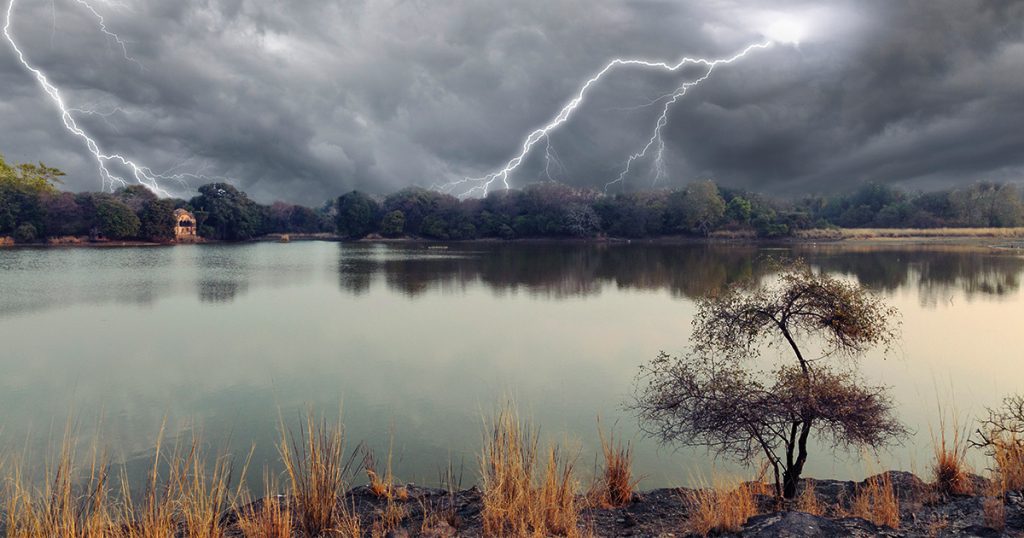

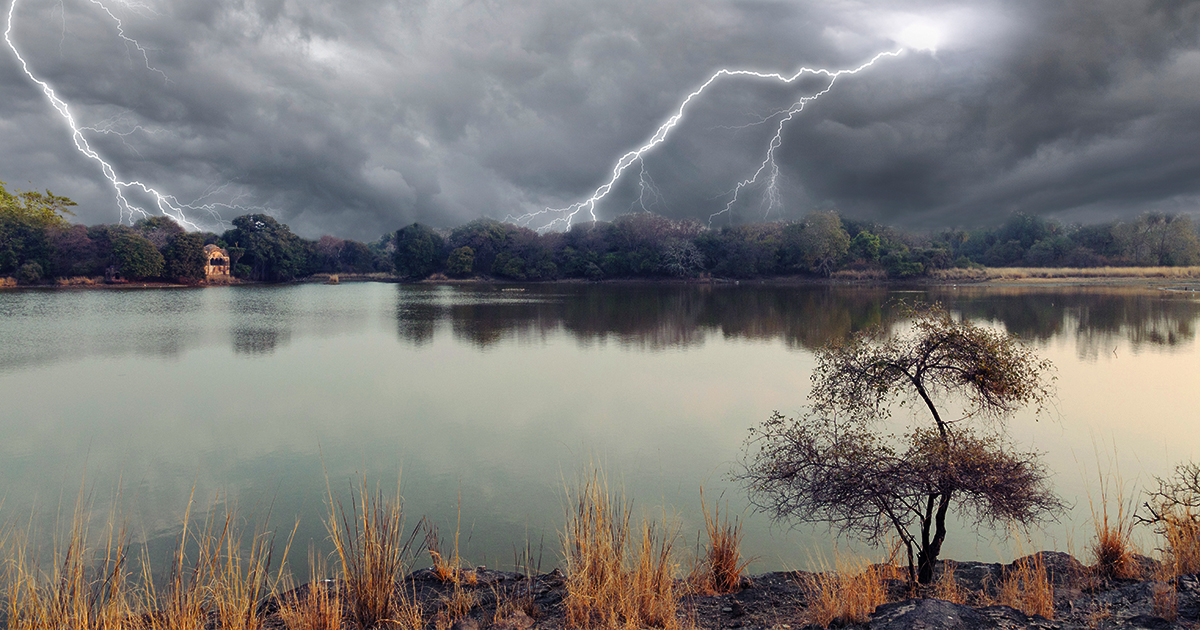
News Updated: During the monsoon season from July 1st to September 30th, the core areas of Rajasthan’s prominent tiger reserves, namely Ranthambore National Park and Sariska Tiger Reserve, will be inaccessible to tourists. This closure adheres to directives from the National Tiger Conservation Authority (NTCA) aimed at allowing the forests to rejuvenate and ensuring conducive breeding conditions for tigers. However, visitors can still embark on safaris in designated zones: Zones 6 to 10 in Ranthambore and specific areas like Tehla Kalighati, Umri Junction, and buffer zones in Sariska will remain open.
An official explained that the closure of core areas during the monsoon is essential to facilitate wildlife breeding and maintain the natural habitat’s integrity. Rajasthan boasts five tiger reserves in total, including Mukundra Hills Tiger Reserve (MHTR), Ramgarh Vishdhari Tiger Reserve, and Dholpur Tiger Reserve. While one buffer area of Ramgarh Vishdhari will be accessible to tourists, sightings are infrequent due to recent tiger relocations, the official added. Despite this, Sariska and Ranthambore, housing over 100 big cats combined, remain popular choices for tourists seeking wildlife encounters during the monsoon.
The decision to close core areas during monsoon is primarily driven by safety concerns, as heavy rains often render park trails hazardous with slippery conditions, flooding, and potential landslides. These risks pose dangers to both visitors and park personnel. Moreover, the monsoon season plays a pivotal role in the breeding cycle of numerous species, providing optimal conditions for mating, nesting, and nurturing offspring such as tigers, elephants, leopards, and various species of avifauna.
While some reserves have previously opted to remain open for tourism during the monsoon to aid in conservation efforts and deter illegal activities like illegal grazing, poaching, and deforestation, safety for tourists remains a paramount consideration. Most tourist-accessible areas within the parks remain dry and safe, with only a few jungle tracks affected by monsoon conditions, is reassured by a senior official from Ranthambore National Park. The park implements a rotational system, ensuring each zone is periodically opened and closed throughout the year to balance visitor safety with conservation goals.