Ranthambore National Park- a heaven on this earth for wildlife enthusiasts is a safe shelter for Royal Bengal Tigers and many other wildlife species. Its exotic flora and fauna, location and royal ruins of majestic fort make it leading wildlife sanctuary in the country. This is the reason why it is not merely a National Parks in Rajasthan ; indeed it speaks the royal history of the glorious past of Rajasthan.
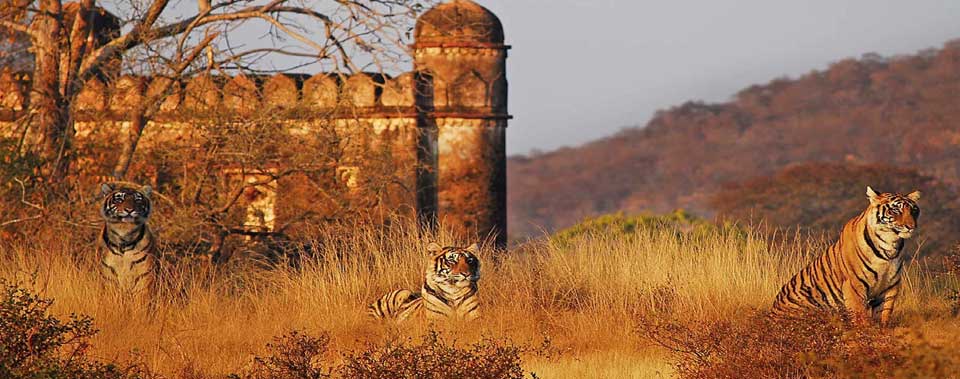
With its variety of wildlife and hot tourist destinations, there are ample of adventurous to activities to enjoy while you are vacationing in Ranthambore to make your holiday memorable. Basically, Ranthambore is popular for its Tiger Reserves but you can spot other wildlife by taking jeep safari vehicle that goes inside the park. Ranthambore also offers wonderful experience of natural beauty in the form of lakes. Historical temples and Royal Ranthambore fort inside the jungle converts it into an ideal tourist destination in the vibrant state of Rajasthan.
Situated in the lap of nature Ranthambore gives much opportunity to explore wildlife thrill amidst plethora of nature’s beauty. The destination is bestowed with many historic places and wildlife buff which attracts huge number of tourists every year. Here we write list of best things to do in Ranthambore.
1. Going on Enthralling Jeep Safari Ride
Jeep Safari in Ranthambore National Park is the most feasible option to explore the true wilderness of the park. The most famous occupant of the Ranthambore is Royal Bengal Tiger who offers a sight to behold as one of the most exciting things to be done in Ranthambore. The evergreen jungles, uneven topography and various flora and fauna are the reason why Ranthambore is the most honored national park in the country. Ranthambore is one of the protected tiger reserve for this endangered species and offer safe shelter for them.
Going on a Tiger’s trail amidst the deep and dense jungle of Ranthambore is one of the most sought activities. Jeep that accommodates 6 tourists enters into the park with valid entry permission from the park authority. Canter is open roof bus that takes 16 tourist at time inside the park is another option if you wish to have tiger sightings from close.
2. The Majestic Ranthambore Fort :
Ranthambore Fort situated about five kilometer inside the wildlife sanctuary is believed to be have been built by the Chauhan rulers in the 8th century. This majestic fort is one of the interesting places to visit in Ranthambore. The fort is surrounded by the lakes, variety of flora and fauna. It is visible from a long distance but you can near to it to see this imposing architecture.
It is said that the construction of this historical monument actually started in 944 AD under the rule of king Sapaldaksha but the fort took shape during the period of Rao Hamir Deo Chauhan. The fort has been now recognized by UNESCO World Heritage Site. Popularly called as the ‘Hill Forts of Rajasthan’; one of the major attractions in Ranthambore National Park. Visiting this majestic fort can be thrilling experience where you can indulge yourself in the serene ambiance of nature. Hiking to this majestic fort gives an opportunity to see soaring eagles, vultures and other birds.
3. Bird watching in Tiger Territory :
Apart from being a tiger territory, Ranthambore is also a noted spot for the bird lovers. It shelters excellent avian population. The most famous bird watching spot are Malik Talao, The Ranthambore Fort, Rajbagh Talao, Padam Talao and the Jhalra area where you can catch a glimpse of these spectacular creatures.
Just walk around the above mentioned spot and watch the beautiful residents and migratory birds of Ranthambore. Some of the popular residents’ birds include Nightjars, Indian courser, Woodpeckers, Painted Spurfowl, Indian Gray Hornbills, Indian skimmer, quails, larks, pipits, Ibis, prints and Finches etc. Best time to for sighting is advised early in the morning. An ideal season for this activity in Ranthambore is monsoon and winters. If you are visiting Ranthambore National Park bird watching is a must do activity in the ranthambore National Park.
4. Visit to Kachida valley, Ranthambore :
Located at a distance of 13 kilometer from Ranthambore National Park, Kachida valley is a must visit place for all visitors in Ranthambore Rajasthan. The valley comprises of many rocky outcrops and low hills which make this place a beautiful hidout in Ranthambore. The entire region is engulfed with low jagged hills with lush greenery all around. The valley is a treasure house of varied flora and fauna and brings an opportunity for tourists to witness the wide variety of wildlife species that includes deers, wild boars and tigers. The valley is mainly dominated by tigers therefore leopards stay away from the central location.
Visitor Information : Kachida valley is famous for Wildlife Tourism, Photography; Visit Duration – Approximately 2 to 3 hours. A nominal entry fee is charged per head. Travelers will also need to book a jeep to take you around. Visiting Time is 6:00 AM to 5:00 PM.
5. Jogi Mahal
Jogi Mahal is another major tourist attraction located in the vicinity of Ranthmabore National Park. This historical monument was built by the royal families of Jaipur and served as hunting shelter to many passing generations of Maharajas. After the dismissal of ruling authorities of Jaipur, this Mahal is transformed into a guest house which offers comfortable stay to tourists during their visit to Ranthambore National Park.
While visiting Jogi Mahal you can also visit Banyan Tree location which is considered as one of the largest banyan tree in the country.