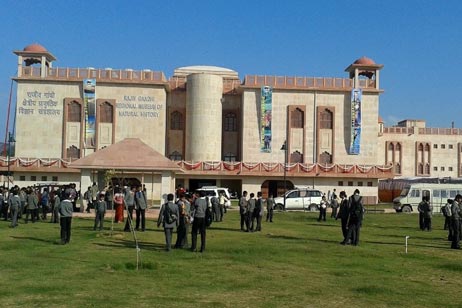
The Rajiv Gandhi Regional Museum of Natural History is a museum located Ramsinghpura village, which is 8 kilometre from Sawai Madhopur in Ranthambore National Park in Rajasthan, India. The museum was established in 2007 with the aim of creating awareness about the natural history of the region and promoting conservation of the local flora and fauna.
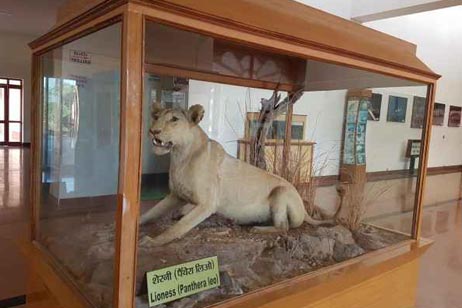
The museum has various galleries and exhibits showcasing the biodiversity of the region, including a gallery on the flora and fauna of the Ranthambore National Park, a gallery on the geology and minerals of the region, and a gallery on the culture and traditions of the local tribes.
Visitors can also learn about the various conservation initiatives undertaken by the museum and the local community to preserve the natural heritage of the region. The museum also conducts various educational programs and workshops for school children and visitors to promote awareness and appreciation of the natural world.
The Rajiv Gandhi Regional Museum of Natural History is a great place to visit for nature enthusiasts and anyone interested in learning more about the natural history and biodiversity of the region.
More about Ranthambore Museum
It was established with the aim of showcasing the rich natural and cultural heritage of the park and promoting awareness about wildlife conservation.
The museum has several galleries and exhibits displaying the diverse flora and fauna of the park, including its famous tiger population. Visitors can learn about the ecology and behaviour of the various animals and birds that inhabit the park through informative displays and interactive exhibits.
In addition, the museum also has displays on the history and culture of the local tribes and their traditional ways of life. The museum also has a library and a research center where researchers and students can study the natural history and biodiversity of the region. It also conducts educational programs and workshops for school children and visitors to promote awareness and appreciation of the natural world and the importance of conservation.
The Ranthambore National Park Museum is a must-visit destination for anyone interested in the natural and cultural heritage of the region and the importance of wildlife conservation. Tourist coming to see Ranthamboe National Park usually go to visit this history based museum which is the main attractions nearby Ranthambore National Park.